


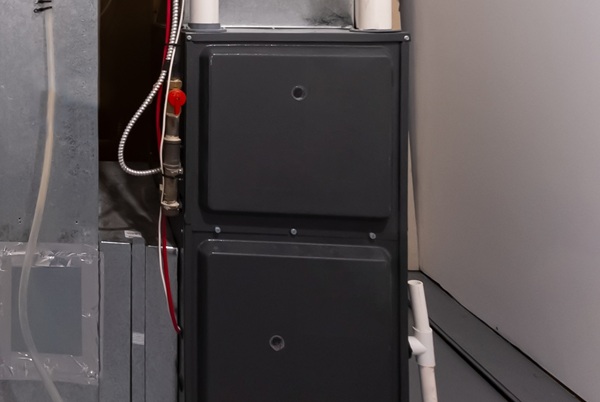
When considering a furnace installation in Plano, TX, several factors come into play that can influence your total costs. The type of furnace you choose, along with the complexity of the installation, can greatly impact your expenses. Plus, your home’s size and layout may add to the overall price. Curious about how additional features and local labor rates can further affect your investment? Let’s explore the details.
Type of Furnace Selected
When selecting a furnace, you’ve got several options to evaluate, each with its own benefits. You can choose from gas, electric, or oil furnaces, depending on your home’s needs and local energy costs.
Gas furnaces are often more efficient and can heat your home quickly, making them a popular choice. Electric furnaces, on the other hand, are typically easier to install and maintain, which may save you money upfront.
Oil furnaces, while less common, can provide reliable heating in areas where gas isn’t available.
Consider the efficiency ratings, as higher-rated models can lower your energy bills over time. Don’t forget about the size; an appropriately sized furnace is essential for ideal performance. Additionally, consulting with licensed HVAC professionals can help ensure you make the best choice for your specific situation.
Ultimately, the type of furnace you select will greatly influence your installation costs and long-term energy expenses, so weigh your options carefully for the best fit for your home.
Installation Complexity
Although installation complexity can vary, it greatly impacts both the cost and duration of your furnace installation. If your home requires extensive ductwork modifications, for instance, expect higher costs and longer installation times.
Additionally, if you’re upgrading from an older system, you might face challenges with compatibility and code compliance, which can complicate the process further.
Other factors include the location of the furnace, accessibility, and whether any structural changes are necessary. If your chosen unit requires a different venting system or additional electrical work, this will also add to the complexity.
Ultimately, discussing these aspects with a professional like Harris Air Services can provide clarity on the specific needs of your installation. They’ll assess your situation and give you an accurate estimate, making the process smoother and ensuring your home remains comfortable throughout the installation. Regular maintenance helps in maintaining indoor air quality and can also influence the overall efficiency of your new system.
Home Size and Layout
Home size and layout play an essential role in determining your furnace installation costs. If you’ve got a larger home, you’ll likely need a more powerful furnace, which can drive up expenses.
Additionally, the layout of your space can affect the installation process. Complex designs may require more labor and time, adding to your overall costs.
Consider these factors:
- Square footage: Bigger homes need more heating capacity.
- Number of floors: Multi-story homes might need additional ductwork.
- Room configuration: Open layouts may distribute heat more efficiently.
- Existing ductwork: Upgrading or modifying old systems can increase costs.
Moreover, routine maintenance, such as furnace tune-ups, can help catch potential issues early and ensure your system operates efficiently throughout its lifespan.
Additional Features and Upgrades
Considering the size and layout of your home, additional features and upgrades can greatly impact your furnace installation costs.
When you opt for advanced features like smart thermostats, variable-speed blowers, or improved filtration systems, you’re adding to the initial investment. These upgrades enhance energy efficiency and comfort, but they’ll also influence your overall budget.
If you choose a high-efficiency furnace, it might cost more upfront, but it could save you money on energy bills in the long run.
Additionally, some homeowners prefer zoning systems, which allow for customized heating across different areas of the home. This can increase installation complexity and costs.
Ultimately, think about which features align with your comfort needs and budget. Investing in these upgrades can lead to a more efficient, comfortable home, making them worthwhile for many homeowners in Plano, TX. Moreover, furnace installation costs can vary based on the specific features and services you select, highlighting the importance of careful consideration.
Labor Costs and Local Market Factors
When it comes to furnace installation costs in Plano, TX, labor costs and local market factors play a significant role.
You’ll find that local demand for HVAC services can impact pricing. If many people are looking for installations, costs may rise due to increased labor needs.
Consider these factors when evaluating your installation costs:
- Experience of the technician: Skilled labor often demands higher pay.
- Seasonal fluctuations: Prices can spike during peak winter months.
- Local competition: More HVAC companies may lead to better pricing options.
- Economic conditions: A strong local economy can drive up labor rates.
Conclusion
In the end, understanding what affects furnace installation costs in Plano, TX, can save you from a costly surprise. Whether it’s the type of furnace you choose, the complexity of the installation, or your home’s unique layout, every detail counts. Don’t forget about those extra features and local labor rates that can really tip the scales. By keeping these factors in mind, you’ll be well-equipped to make an informed decision and keep your budget in check.