
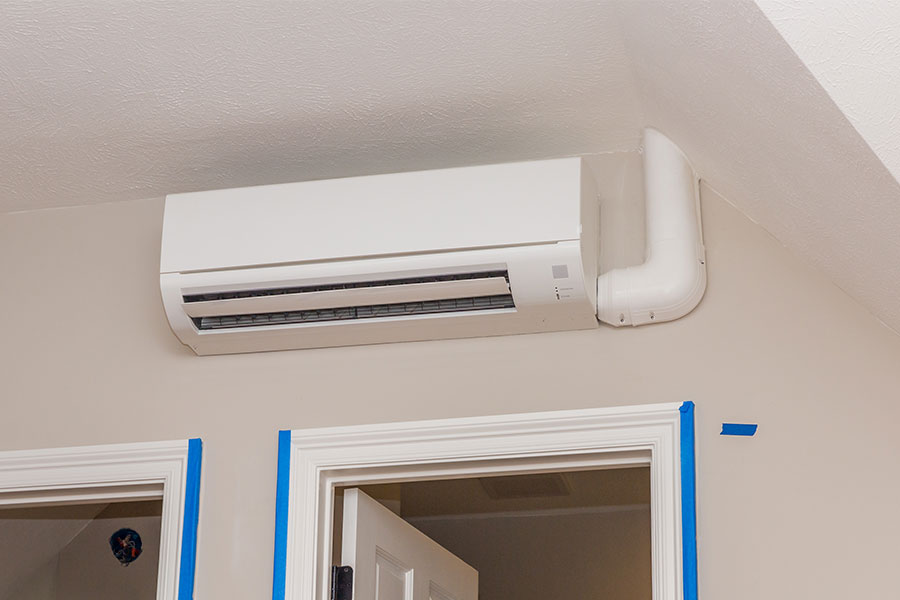
Ductless mini split systems have become increasingly popular in Prosper, and it is easy to see why. As new construction continues to grow along US-380 and throughout master-planned communities like Star Trail and Windsong Ranch, mini splits offer flexible, zone-specific comfort without the need for traditional ductwork. But like any HVAC equipment, they develop issues over time, and knowing what to watch for can make the difference between a quick fix and a costly repair.
Our Prosper air conditioning services team regularly handles mini split diagnostics and repairs throughout the area. Here are the six most common problems we see and what they mean for your system.
Common Issues With Ductless Mini Splits
Before getting into specific problems, it helps to understand the three categories of issues that come up most frequently with ductless systems. Inadequate airflow is one of the most common complaints, and it typically traces back to blocked filters or an improperly installed unit. Unusual noises such as buzzing, rattling, or clicking often point to loose components or debris interfering with the indoor or outdoor unit. Refrigerant leaks are the third major category, and they are the most serious. A leak degrades cooling and heating performance, drives up energy consumption, and will not resolve itself without professional intervention. If a refrigerant issue is suspected, a licensed technician needs to assess and repair the system before it causes further damage.
1. Insufficient Cooling or Heating
When a mini split is not keeping up with the set temperature, the cause is often something straightforward, though not always something a homeowner should address without professional guidance.
Dirty or clogged filters are the first thing a technician will check. Filters that have not been cleaned or replaced on schedule restrict airflow significantly and force the system to work harder to move the same amount of conditioned air. In Prosper’s dusty spring and summer conditions, filters can reach their limit faster than expected.
The outdoor unit also needs clear airflow to operate properly. Debris accumulation around the condenser, overgrown landscaping, or objects stored too close to the unit can all contribute to reduced performance. Beyond those surface-level checks, persistent insufficient cooling or heating typically points to refrigerant problems or a thermostat calibration issue, both of which require a trained technician to diagnose and correct accurately.
2. Noisy Operation
Ductless mini splits are designed to run quietly, which is one of their selling points. When unusual sounds start appearing, they are usually telling you something specific about the system’s condition.
Common Noises Explained
A low, consistent hum is normal during operation. Clicking as the unit cycles on and off is also expected. Gurgling or bubbling sounds can indicate refrigerant moving through the lines, which is generally normal. What is not normal is loud banging, persistent rattling, or hissing. Those sounds warrant a closer look.
Potential Causes
In homes across Prosper that we service, rattling and banging most commonly come from loose panels, mounting brackets, or components that have vibrated loose over time. A fan blade obstructed by debris, a failing compressor, or a refrigerant leak producing a hissing sound are also common culprits. Older systems that have not received regular maintenance tend to develop noise issues more frequently as components wear unevenly.
Effective Noise Solutions
Tightening loose panels and mounting hardware resolves a large share of rattling complaints. Cleaning filters and coils reduces strain on the system and often brings noise levels back down. Refrigerant-related noises and internal mechanical issues require professional diagnosis. Attempting to open and inspect internal components without the proper training and tools can cause additional damage and void manufacturer warranties.
3. Refrigerant Leaks
Refrigerant leaks are among the more serious issues a ductless mini split can develop, and they are not always obvious until performance has already degraded significantly.
Identifying Leak Sources
Ice buildup on the indoor unit or refrigerant lines is one of the more visible signs of a refrigerant problem. Reduced cooling capacity on a system that otherwise appears to be running is another common indicator. During a service visit, a technician will inspect the refrigerant lines, all connections and fittings, and the indoor and outdoor units for signs of damage, corrosion, or wear. The condensate drain is also worth inspecting, as clogs there can produce water leaks that are sometimes mistaken for refrigerant issues.
Repair Approach
Refrigerant work is regulated and requires certified technicians. The repair process involves locating the exact source of the leak using specialized detection equipment, repairing or replacing the damaged component, and recharging the system to the correct refrigerant level. Once repairs are complete, the system is tested to confirm the leak is fully resolved before the job is closed out.
4. Remote Control and Thermostat Issues
A mini split that is not responding correctly to its remote control or thermostat settings can be frustrating, particularly when the underlying cause turns out to be something minor.
Weak or dead batteries in the remote are the most common culprit and the first thing worth checking. Signal obstruction between the remote and the indoor unit can also prevent commands from registering. Beyond the remote itself, thermostat settings deserve a careful review. A unit set to the wrong mode, heating instead of cooling or vice versa, will behave in ways that look like a malfunction but are actually a configuration issue.
If rechecking the settings and replacing the batteries does not resolve the problem, the issue may lie with the control board or the sensor inside the unit. Those components require professional diagnosis. A ductless mini split repair technician can quickly determine whether the problem is in the remote, the receiver, or the unit’s internal controls.
5. Water Leaks from the Indoor Unit
Water dripping or pooling around the indoor air handler is a problem that should not be ignored. The most common cause is a clogged condensate drain line. As the system removes humidity from the air, that moisture collects and drains away through a condensate line. When the line becomes blocked by algae, mold, or sediment, water backs up and eventually overflows the drain pan.
In Prosper’s humid summer conditions, condensate drain issues are particularly common during periods of heavy use when the system is pulling large amounts of moisture out of the air continuously. A technician can clear the blockage and inspect the drain pan and lines for any damage. Keeping up with annual maintenance significantly reduces the likelihood of this issue developing in the first place.
6. Reduced Airflow from the Indoor Unit
When airflow from the indoor unit drops noticeably, comfort suffers throughout the zone that unit serves. Dirty filters are the leading cause, and they are also the easiest to address through a consistent maintenance schedule. Beyond filters, reduced airflow can point to a dirty evaporator coil restricting air passage, a failing blower motor, or ductwork and installation issues in systems that connect to any partial duct runs.
For homeowners who are also managing indoor air quality concerns, pairing mini split maintenance with IAQ services or similar services ensures that your system is not just moving air, but moving clean air effectively. Dirty coils and neglected filters degrade both airflow and air quality simultaneously.
Why Regular Maintenance Is the Key to Mini Split Longevity
Every one of the problems covered above becomes less likely with a consistent maintenance schedule. During a professional tune-up, a technician cleans the filters and coils, inspects refrigerant levels and electrical connections, tests the control systems, and checks the condensate drain. Each of those tasks addresses a potential failure point before it becomes an active problem.
Based on what we see in Prosper properties, systems that receive annual maintenance consistently outperform neglected ones in both efficiency and lifespan. The cost of a preventive service visit is a fraction of what an emergency repair or premature replacement costs. Ductless systems are a significant investment, and routine care is what protects that investment over the long term.
Getting the Most from Your Prosper Mini Split System
Ductless mini splits deliver excellent comfort and efficiency when they are properly maintained and promptly serviced when issues arise. Whether you are dealing with insufficient cooling, unusual noise, a refrigerant concern, or just an overdue maintenance visit, the right professional support makes all the difference.
If your system is showing any of the symptoms covered here, or if it has been more than a year since your last service visit, now is the time to act before the heat of a Prosper summer puts the system under maximum demand. Schedule your service today and let our team get your mini split running the way it should.