
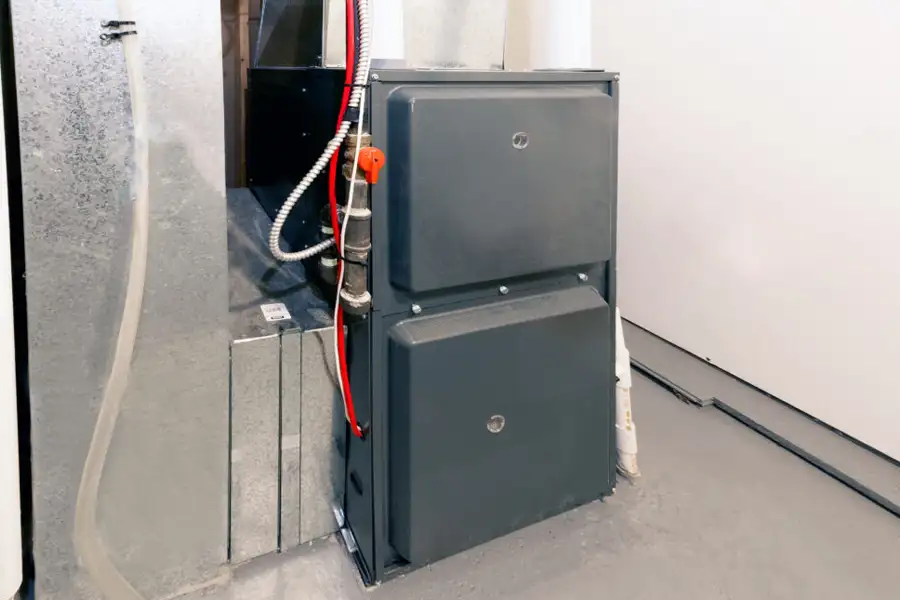
Furnace carbon monoxide is a real concern in Frisco, TX, but it is preventable. A gas furnace with a cracked heat exchanger or blocked vent can leak this colorless, odorless gas into your home. Working CO detectors and yearly inspections from Harris Air Services, part of our heating services in Frisco, keep families safe.
Key Points
- A real but preventable risk: Gas furnaces can leak carbon monoxide when parts crack, wear out, or vent poorly.
- Common causes: Cracked heat exchangers, incomplete combustion, and blocked vents or flues are the usual sources of CO.
- Know the symptoms: Headaches, dizziness, nausea, fatigue, and confusion can signal exposure and are often mistaken for the flu.
- Detectors save lives: Install CO detectors on every level of your home, especially near sleeping areas, and test them regularly.
- Inspect every year: A yearly furnace inspection before heating season catches carbon monoxide hazards before they become emergencies.
What Do Homeowners Need to Know About Carbon Monoxide?
Carbon monoxide (CO) is a colorless, odorless, and tasteless gas produced when fuel burns, which makes it nearly impossible to detect without a CO detector. Homeowners need to know that a gas furnace is one of the most common sources of CO in a home, and that a working detector is the only reliable early warning.
Carbon monoxide can come from several sources, including gas furnaces, water heaters, gas ranges, fireplaces, and vehicles left running in an attached garage. The furnace deserves special attention because it runs for long stretches during the winter, often while everyone is asleep.
Recognizing the signs of CO exposure matters because symptoms such as headaches, dizziness, and confusion can escalate quickly. Installing CO detectors in your home is one of the most important steps you can take. These devices alert you to dangerous levels before they become life-threatening.
Regular maintenance of your heating system also plays a critical role in preventing CO problems. Based on what we see in Frisco homes, many furnaces in the city’s fast-growing newer neighborhoods are still young, but even a newer furnace needs routine care to burn and vent safely. At Harris Air Services, we are committed to helping our neighbors stay safe and comfortable all winter.
How Can a Furnace Produce Carbon Monoxide?
A furnace produces carbon monoxide when fuel does not burn completely or when exhaust gases escape into the home instead of venting outside. A properly working gas furnace sends its exhaust safely out through the flue, so CO becomes a hazard only when something goes wrong.
The most common causes include:
- Cracked heat exchanger: The heat exchanger keeps combustion gases separate from the air you breathe. A crack can let CO escape into your home instead of being vented outside.
- Incomplete combustion: Dirty burners, poor gas pressure, or not enough combustion air can cause fuel to burn incompletely, which produces more CO.
- Blocked vents or flues: Debris, bird nests, or damaged vent pipes can trap exhaust gases and push them back into the home.
- Poor maintenance or outdated systems: Older furnaces that have gone years without service are more likely to develop worn parts and venting problems.
- Malfunctioning sensors or improper installation: Faulty safety controls or a poorly installed vent system can contribute to CO leaks.
Each of these problems can develop slowly without obvious symptoms, which is why regular inspections are so important. Our team provides furnace maintenance and tune-ups that include checking burners, the heat exchanger, and venting so your furnace operates safely.
What Are the Signs of Carbon Monoxide Exposure in Your Home?
The signs of carbon monoxide exposure in your home include physical symptoms such as headaches, dizziness, nausea, fatigue, and confusion, along with visible clues around your furnace such as yellow flames or soot. Because CO has no smell, these signs are often the only hint that something is wrong.
Watch for these warning signs:
- Flu-like symptoms: Headaches, dizziness, or nausea that can easily be mistaken for the flu, especially when they ease after you leave the house.
- Unusual fatigue or confusion: Family members who seem unusually tired, foggy, or confused.
- Pets in distress: Pets may show signs of illness, lethargy, or unusual behavior before people do.
- Yellow or flickering flames: A healthy gas furnace flame is typically steady and blue. Yellow or flickering flames can indicate improper combustion.
- Soot or brown stains: Soot, scorch marks, or brown stains around your heating equipment or vents are a sign you should not ignore.
If your CO detector sounds or anyone in your home has symptoms of carbon monoxide exposure, get everyone outside into fresh air right away and call 911. Do not go back inside until emergency responders say it is safe. Once the home is cleared, have the furnace checked before using it again. Our technicians provide professional furnace repair to correct the problem and restore safe heat, and we offer 24-hour emergency service.
How Can You Prevent Carbon Monoxide Risks From Your Furnace?
You can prevent carbon monoxide risks from your furnace by installing CO detectors, scheduling a yearly furnace inspection, keeping vents and flues clear, and addressing furnace problems as soon as they appear. These steps work together to catch hazards early and alert you if CO ever builds up.
Here are the essential safety measures every household should follow:
- Install CO detectors: Place carbon monoxide detectors on every level of your home, ideally near sleeping areas. Test them monthly and replace batteries as needed so they function properly.
- Schedule annual furnace inspections: Have a qualified professional inspect your furnace once a year to catch cracks, combustion problems, and venting issues early. Our HVAC inspection service covers the safety checks your heating system needs.
- Keep vents and flues clear: Make sure exhaust vents, flues, and intake pipes are free of obstructions so harmful gases can escape safely.
- Do not ignore warning signs: Strange noises, uneven heating, or frequent shutoffs can point to a malfunction. Address them right away rather than waiting.
- Educate your family: Teach everyone in the home the symptoms of carbon monoxide exposure and what to do if an alarm sounds. This knowledge can save lives.
Newer homes in communities like Phillips Creek Ranch and Newman Village are often built tight for energy efficiency, which is great for comfort but means a venting problem has fewer places to go. In our work throughout Frisco, these simple habits are what we see keep families safest.
When Should You Call Harris Air Services for Furnace Maintenance and Inspections?
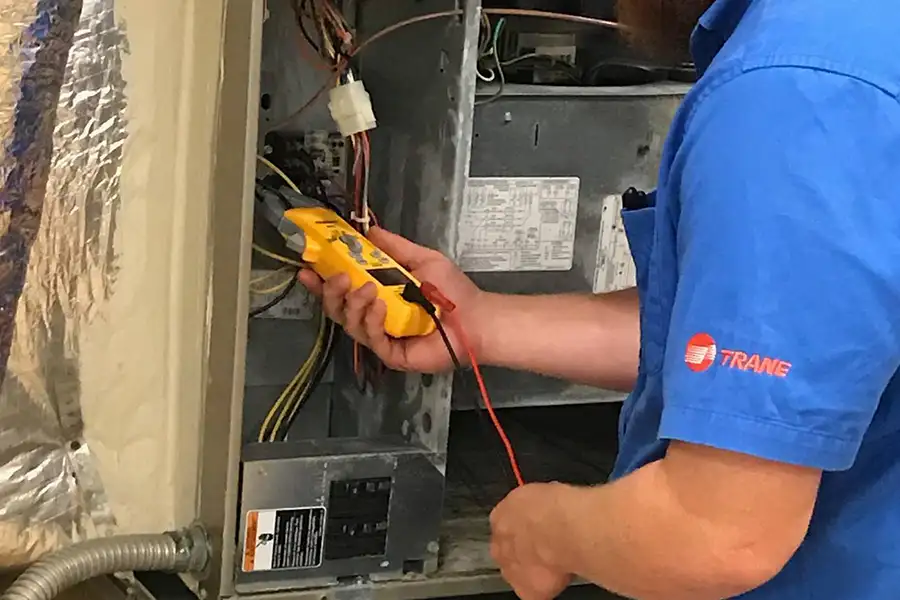
You should call Harris Air Services for furnace maintenance and an inspection at least once a year, ideally in the fall before heating season starts, and any time you notice unusual smells, strange noises, or inconsistent heating. Prompt attention keeps small problems from turning into safety hazards.
Contact our team if you notice any of the following:
- Unusual smells: Burning, musty, or gas-like odors when the furnace runs.
- Strange noises: Banging, rattling, or squealing from the furnace.
- Inconsistent heating: Rooms that stay cold or a furnace that cycles on and off often.
- Rust or discoloration: Corrosion, rust, or discoloration on or around the furnace.
If your carbon monoxide detector goes off, leave the home and call 911 first, then call us once responders have cleared the house. Do not wait for a complete breakdown. Preventive maintenance can save you from costly repairs and keeps your family safe.
North Texas winters are mostly mild, but sudden cold snaps and hard freezes, like the February 2021 winter storm, can push a furnace hard with little warning. As a family-owned company serving Frisco and the surrounding communities since 2008, Harris Air Services offers licensed, insured, and certified technicians, upfront pricing, and maintenance plans that keep yearly inspections on schedule.
Frequently Asked Questions
Does an electric furnace or heat pump produce carbon monoxide?
An electric furnace or heat pump does not produce carbon monoxide, because neither one burns fuel to create heat. Carbon monoxide comes from combustion, so gas furnaces, gas water heaters, gas ranges, and fireplaces are the main sources. Homes with all-electric heating should still have CO detectors if they have an attached garage or any gas appliance.
How often should I replace my carbon monoxide detector?
A carbon monoxide detector typically needs replacement every five to 10 years, depending on the model. Check the manufacturer date on the back of the unit and follow its recommended lifespan. Test detectors monthly with the test button, and replace batteries at least once a year or whenever the detector chirps.
What does a furnace inspection in Frisco check for carbon monoxide?
A furnace inspection in Frisco checks the parts most likely to cause carbon monoxide problems, including the heat exchanger, burners, flame quality, flue and venting, and safety controls. Technicians look for cracks, corrosion, blockages, and signs of incomplete combustion. The goal is to confirm exhaust leaves your home safely before heating season begins.
Can a cracked heat exchanger be repaired?
A cracked heat exchanger usually cannot be safely repaired and typically means the heat exchanger or the furnace needs replacement. Because a crack can let carbon monoxide into your home, a furnace with this problem should not be used until it is fixed. Our team explains your options with upfront pricing and no pressure.
Protect Your Frisco Home From Furnace Carbon Monoxide
Furnace carbon monoxide is worth taking seriously, but it does not have to be a source of worry when you have working detectors and a furnace that gets checked every year. Harris Air Services inspects, maintains, and repairs gas furnaces for families throughout Frisco, TX, from homes near Frisco Square to newer builds along the Dallas North Tollway. If it has been more than a year since your last furnace check, or you have questions about a CO alarm or warning sign, call us, book online, or schedule your appointment today.