
Buy a new filter here
Easy Financing Options


Celina has transformed over the past several years from a small agricultural town into one of the fastest-growing communities in Collin County. The result is a unique housing landscape where brand-new master-planned neighborhoods sit just down the road from older ranch-style homes and farmhouses that have been standing through decades of Texas weather. For HVAC, that contrast matters because the repair needs are completely different depending on which side of that divide your home falls on.
Our technicians work across both. We understand the equipment found in Celina’s newer communities, and we are just as comfortable diagnosing older systems that have been patched together over the years. When something goes wrong with your heating or cooling, we give you a straight answer on what it will take to fix it and what it will cost before we start.

Celina’s rapid buildout means we see a wide range of issues, from first-cycle failures on recently installed systems to long-deferred maintenance catching up with older equipment. The repairs below represent what comes up most often in this market.
Every repair starts with a thorough diagnosis so we are fixing the actual cause, not just swapping parts until something works.
Celina’s elevated position on the North Texas plains means wind exposure is higher than in areas closer to the DFW core. Outdoor units take on more debris, and temperature swings between seasons are sharper. These conditions accelerate wear in ways that show up as recognizable symptoms inside the home.
Short-cycling in particular puts significant stress on the compressor. If your system is behaving this way, having it checked sooner rather than later can prevent an expensive component failure.

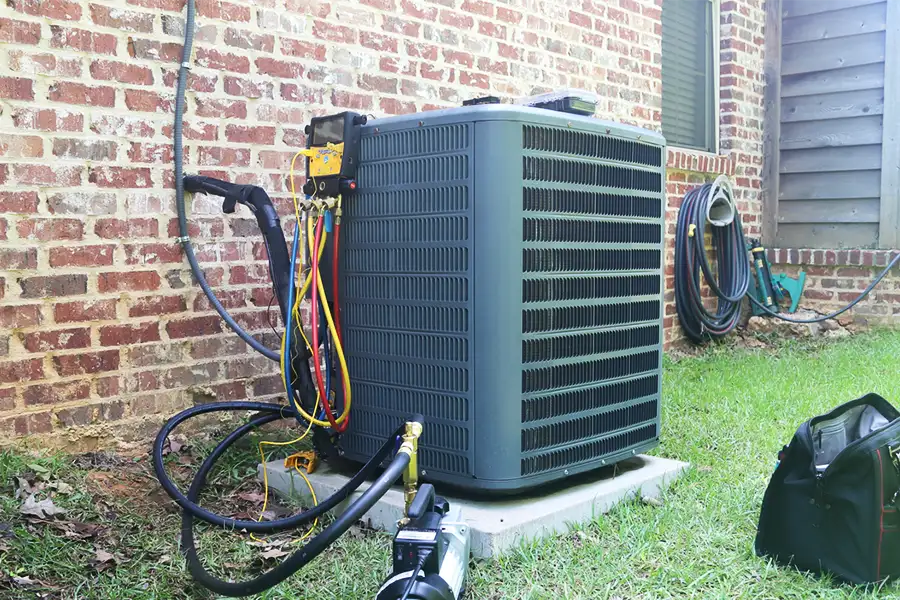
One factor that stands out in Celina compared to more established suburbs is the sheer volume of new construction underway at any given time. Active development means dust and debris levels in the air are elevated, and outdoor condenser coils on homes near construction zones can clog faster than normal. A coil that is 30 to 40 percent blocked makes the compressor work significantly harder to move the same amount of heat.
Celina also sits above a stretch of North Texas clay that shifts measurably with the rain-drought cycle. Homes on slab foundations experience that movement differently than pier-and-beam structures, but both can see ductwork connections loosen over time. In slab homes, flex duct runs through the attic space, which in a Celina summer can reach 140 to 160 degrees. That thermal environment degrades duct material faster than most homeowners realize, and leaky ducts quietly rob efficiency for years before someone connects the high bills to the source.
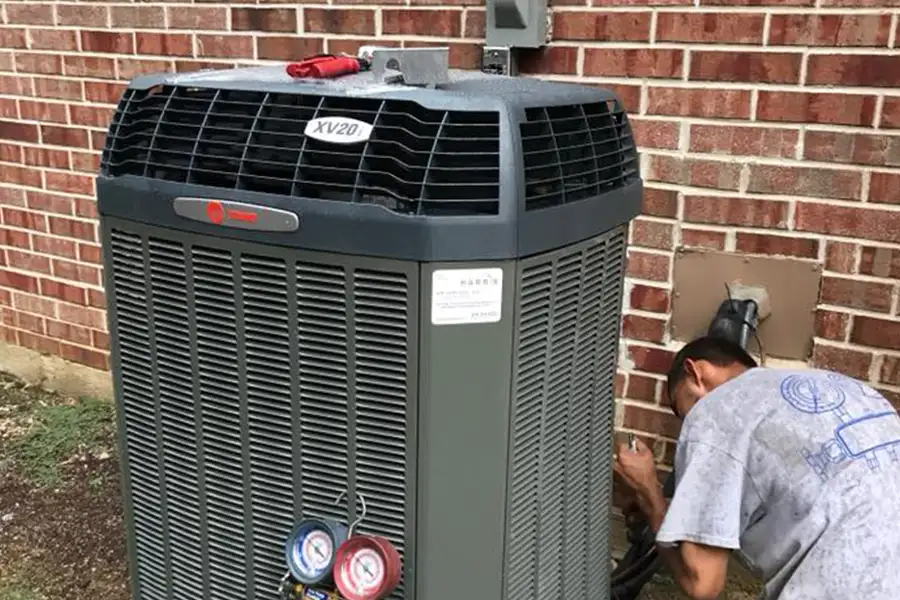
Diane bought her home in Light Farms about three years ago and had never had an issue until this past spring, when her system started short-cycling and the upstairs would not cool below 78 degrees no matter what she set the thermostat to. She initially thought it might be a thermostat issue and replaced it herself, but nothing changed.
When our technician arrived and ran the diagnostics, the thermostat turned out to be fine. The real issue was a low refrigerant charge combined with a partially blocked condenser coil. Together they were causing the system to overheat and shut down on its safety limits before completing a normal cooling cycle. The coil was cleaned, the refrigerant leak was located at a fitting on the line set, and the system was sealed and recharged. Diane had consistent cooling restored before the end of the afternoon, and the technician walked her through what to watch for if the issue ever returns.
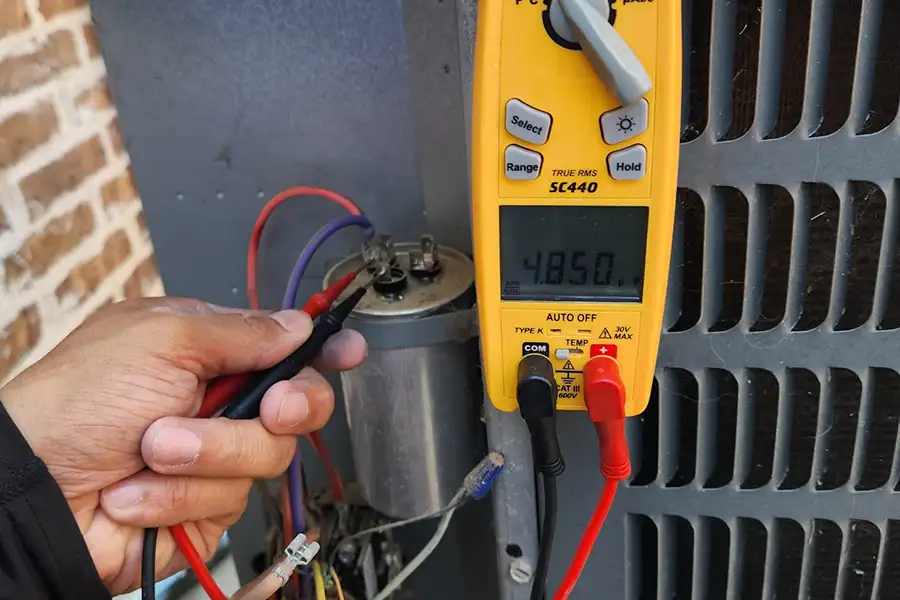
In a city growing as fast as Celina, homeowners are sometimes working with contractors they have never met and service companies that are not local. We are not a faceless dispatch operation. Our technicians know Collin County, know the housing stock in communities like Light Farms, Mustang Lakes, and Cambridge Crossing, and show up as professionals who respect your home and your time.
We earn repeat business in Celina the same way we do anywhere else: by doing the job right and treating the customer honestly.
Yes, and it happens more often than people expect in fast-growing markets. New construction timelines are aggressive, and HVAC systems are sometimes installed under deadline pressure. Issues like an incorrect refrigerant charge at startup, poorly sealed duct connections, or equipment that was slightly undersized for the home’s square footage may not surface immediately but can show up within the first couple of years of operation. If your new home is not cooling or heating as well as it should, a diagnostic visit can identify whether the problem is a warranty-eligible installation issue or normal wear.
Short-cycling means your system is turning on and off in rapid succession rather than completing a full cooling or heating cycle. It can be caused by an oversized system, low refrigerant, a dirty coil that is causing the unit to overheat and trip its safety shutoff, or an electrical component issue like a failing capacitor. Short-cycling is hard on the compressor because the startup sequence draws high current and creates mechanical stress. Each short cycle ages the compressor faster. Getting it diagnosed promptly is worthwhile.
Given Celina’s active construction environment and exposure to open-sky winds, at least once per year is a reasonable minimum, and twice per year is better. The condenser coil is the component that releases heat from your home to the outdoors, and when it is coated in dust, cottonwood, or construction debris, it cannot do that efficiently. A clogged coil is one of the most common reasons systems run longer, cool less effectively, and experience compressor failures earlier than expected. Coil cleaning is a standard part of our annual maintenance visit.
A refrigerant leak is the cause. Low refrigerant is the result. Refrigerant does not deplete on its own under normal operation. If your system is low on refrigerant, there is a leak somewhere in the system. Simply adding refrigerant without finding and fixing the leak is a temporary measure. The refrigerant will continue to escape, the system will gradually lose performance again, and moisture can enter the system at the leak point, which can damage the compressor over time. A proper repair involves locating the leak, repairing it, and then recharging the system to the correct level.
Significantly. In a North Texas summer, attic temperatures can exceed 150 degrees on an unconditioned attic. Ductwork that runs through that space loses efficiency through the duct walls, even with insulation. If the duct insulation is damaged, improperly installed, or aging, that heat transfer can reduce the temperature of the air reaching your rooms by several degrees. It also makes the air handler work harder. Properly sealed and insulated ductwork in the attic is one of the most impactful efficiency upgrades available for homes in this climate.